Project Photos
Inspired by this project? We'd love to help with yours.
Channel or spigot: the right system depends on your surface and setup. Send us a photo and rough measurements and we'll tell you which suits your project and what it's likely to cost. No visit needed to get a clear price.
Frameless glass balustrades deliver the most open and contemporary look of any balustrade system. With no posts, no handrail (unless specified), and no visible fixings above floor level, the glass becomes the entire structure, creating a barrier that feels almost invisible while remaining fully compliant with BS6180.
We offer two frameless systems: channel-fixed, where glass panels sit in a continuous aluminium base channel, and spigot-fixed, where panels are held on individual stainless steel spigots. Both can be installed with or without a handrail and are available in straight, L-shape, and U-shape configurations.
Glass panels are secured in a continuous aluminium base channel that runs flush along the edge of the deck, terrace, or balcony. The channel is the only visible fixture; everything else is glass. The result is the cleanest possible profile, with no posts, no clamps, and a completely uninterrupted view from every angle.
Channel systems are particularly well suited to flat-edged surfaces like poured concrete, composite decking, and flat roof terraces where the channel can be fixed directly to the substrate. Panels can be toughened or laminated to specification, and the system accommodates a stainless steel handrail if required.
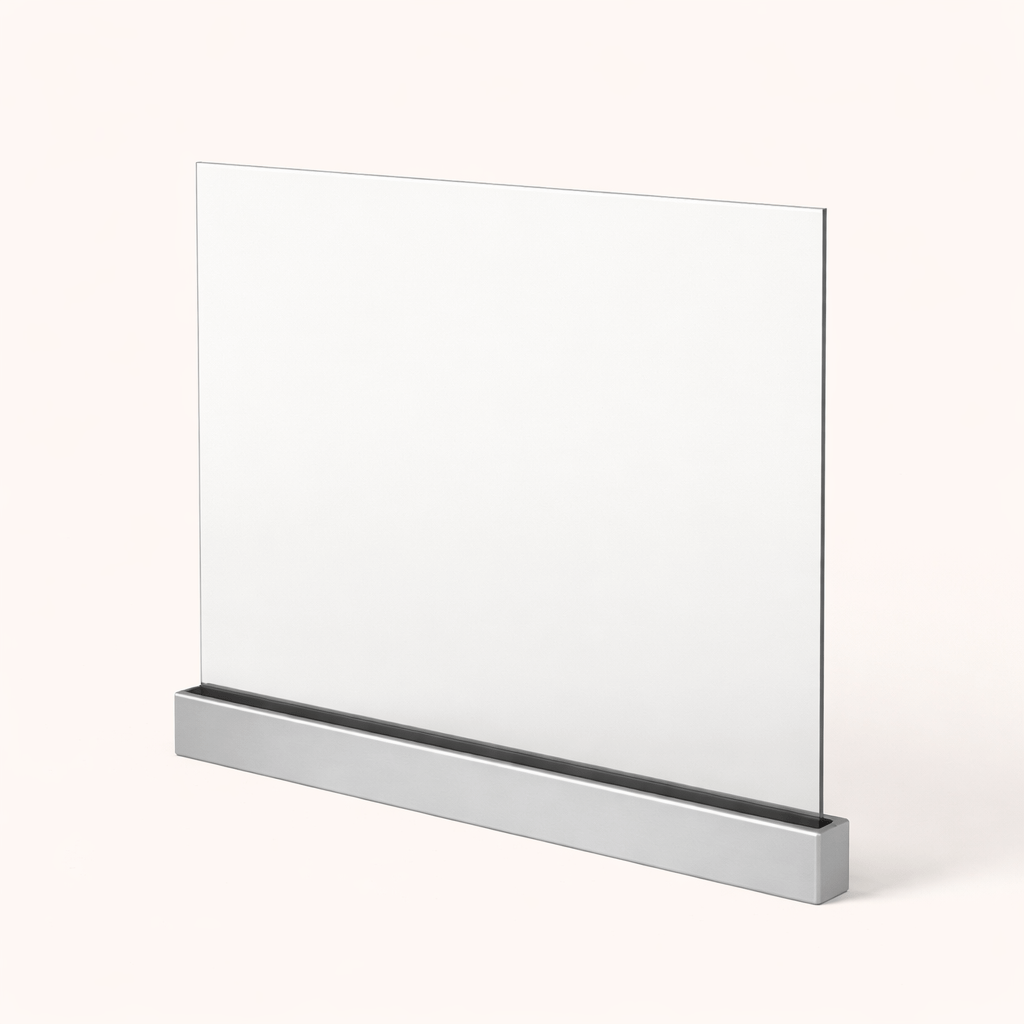
Without handrail
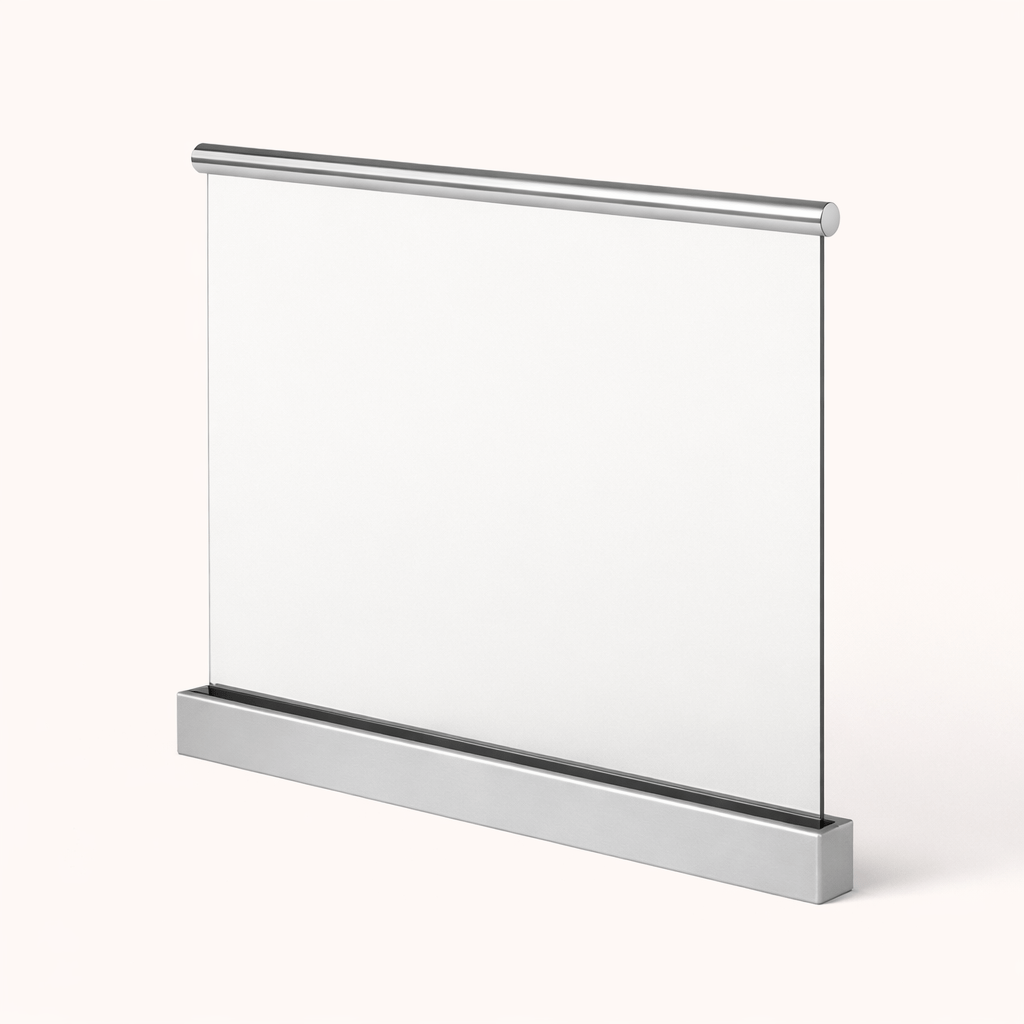
With handrail
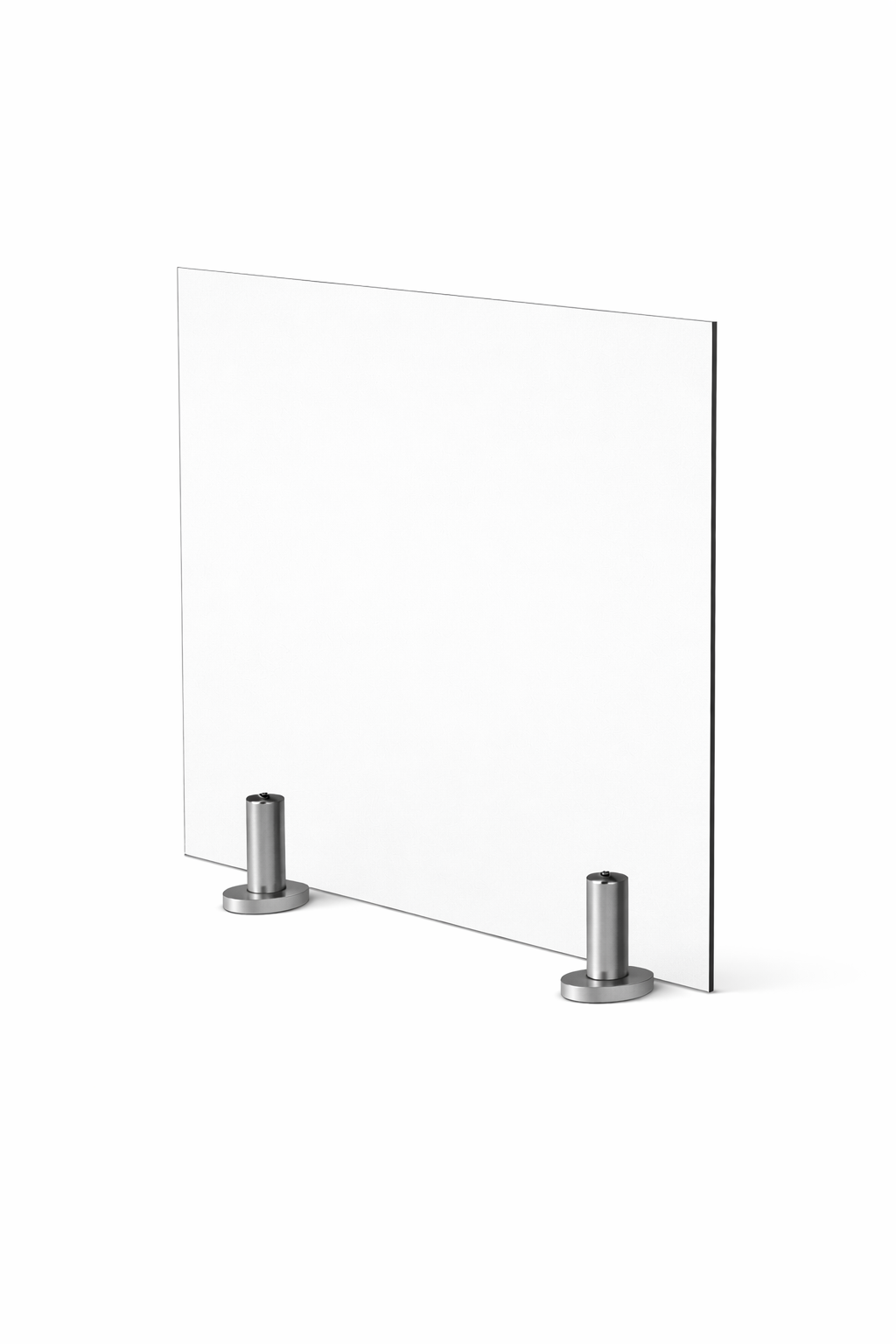
Without handrail
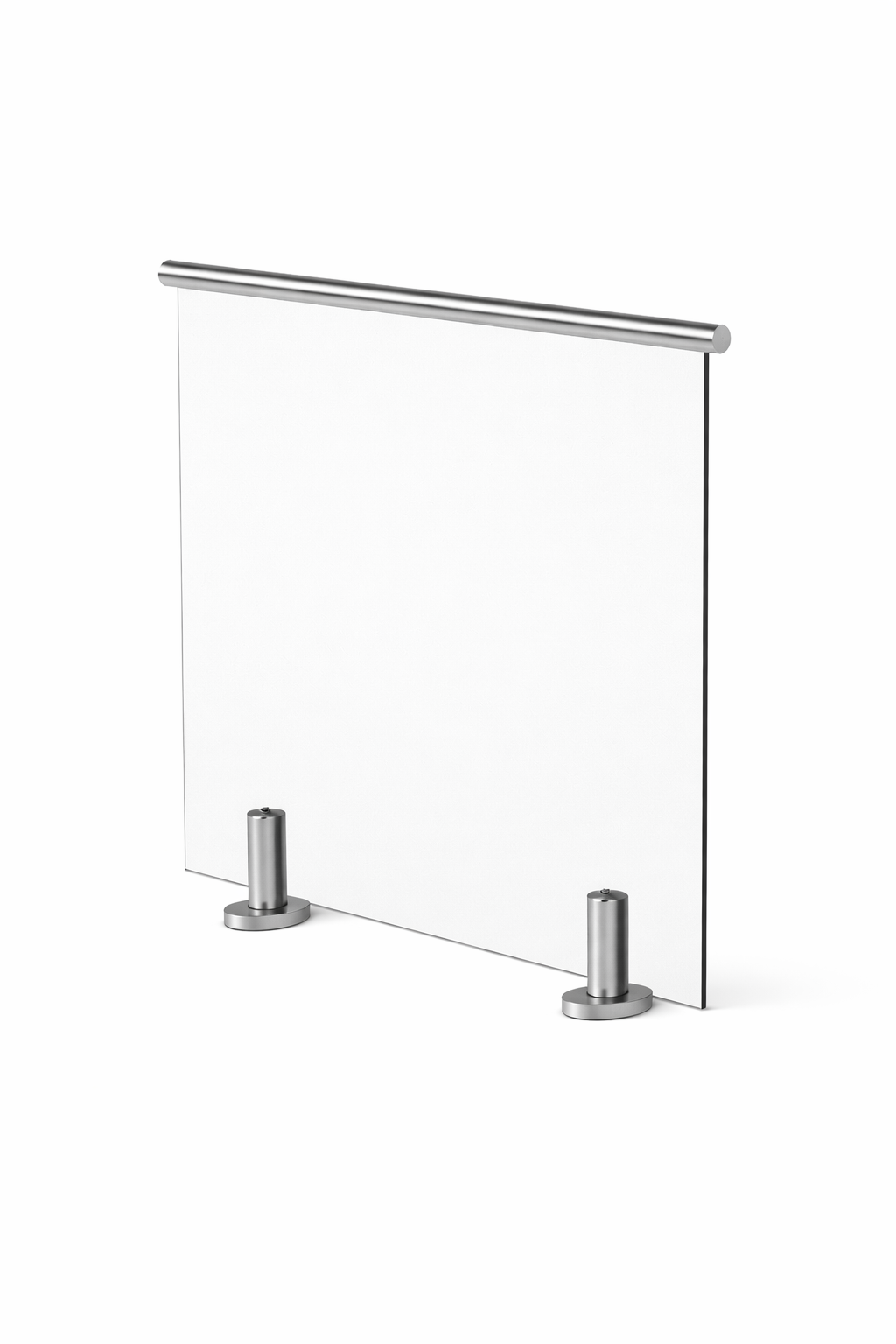
With handrail
Spigot systems fix individual stainless steel spigots at intervals along the deck edge, with glass panels clamping into each spigot from above. Because the fixing point is raised off the surface, water can drain freely beneath the glass, making spigots the preferred choice for timber, composite, and porcelain decking.
We also offer core-drilled spigot installation on porcelain and hard stone surfaces using diamond-tipped drill bits, keeping the existing tile surface completely intact with no cracking or surface damage around the fixing point.
Where floor fixing isn't practical, or where you want the glass fixed to a vertical face rather than the ground, face-mounted systems are the answer. Small stainless steel standoff buttons drill directly into the wall or fascia and pass through pre-drilled holes in the glass panel, holding the glass at a set distance from the surface behind.
The result is a completely frameless appearance with no channel or base rail; the glass appears to float in front of the wall. This is the system most commonly used for Juliet balconies, stairwell landing balustrades, and mezzanine edges where the floor structure cannot take a spigot load.
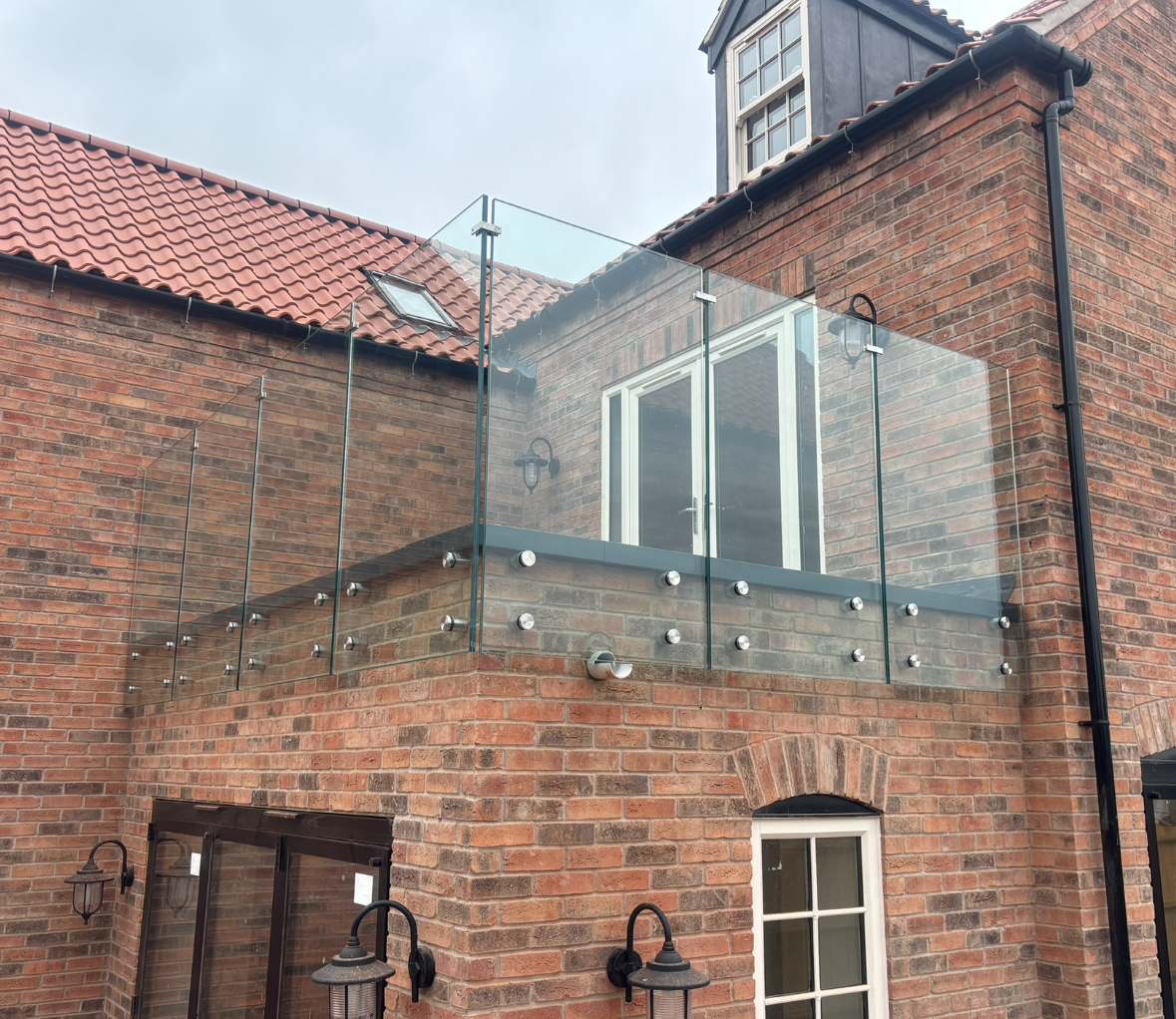
Send us your measurements or a photo. We'll confirm the right system and come back with a fixed-price quote. No site visit needed to get a clear number.
Send Measurements & Get a QuoteFrameless systems require thicker glass than framed alternatives because the glass carries all the structural load. We specify the correct thickness for every project based on panel size, height, and application.
Panels must be structural; the glass takes the full lateral load.
Load is transferred into the spigot fixing; glass thickness varies by panel span.
Both frameless systems are available in straight, L-shape, and U-shape configurations. All cut to your exact measurements.
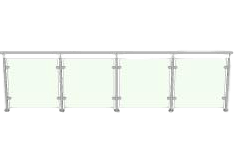 Straight
Single run along one edge, the most common configuration.
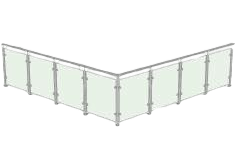 L-Shape
Covers two adjoining sides with a neat mitred or posted corner.
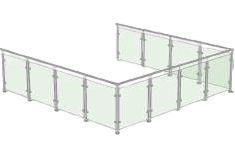 U-Shape
Wraps around three sides, ideal for decking areas and raised platforms.
Recent frameless channel and spigot installations by our team.
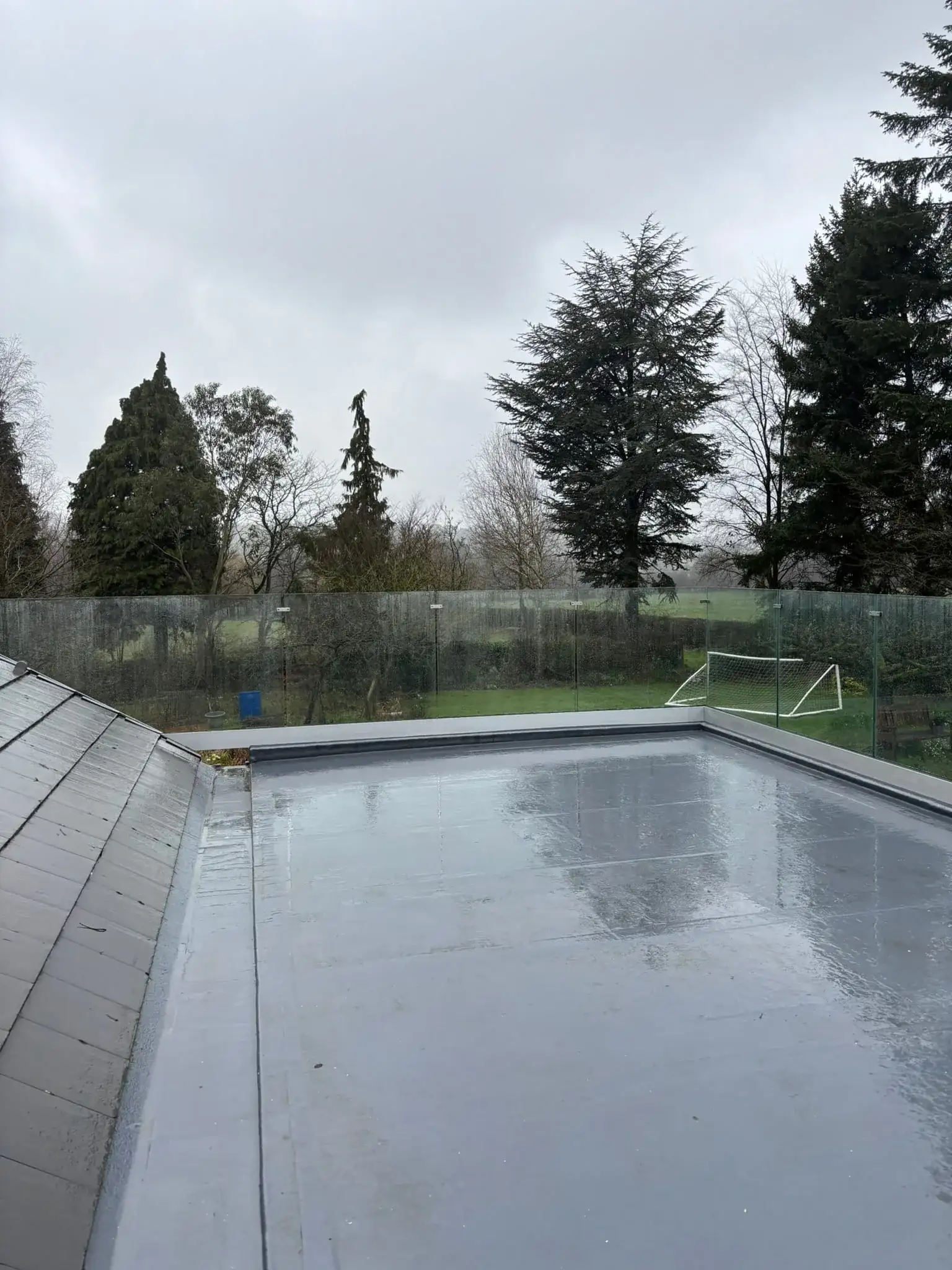
A frameless channel glass balustrade on a large flat-roof balcony in Doncaster — fully frameless, no handrail, installed in two days.
View project →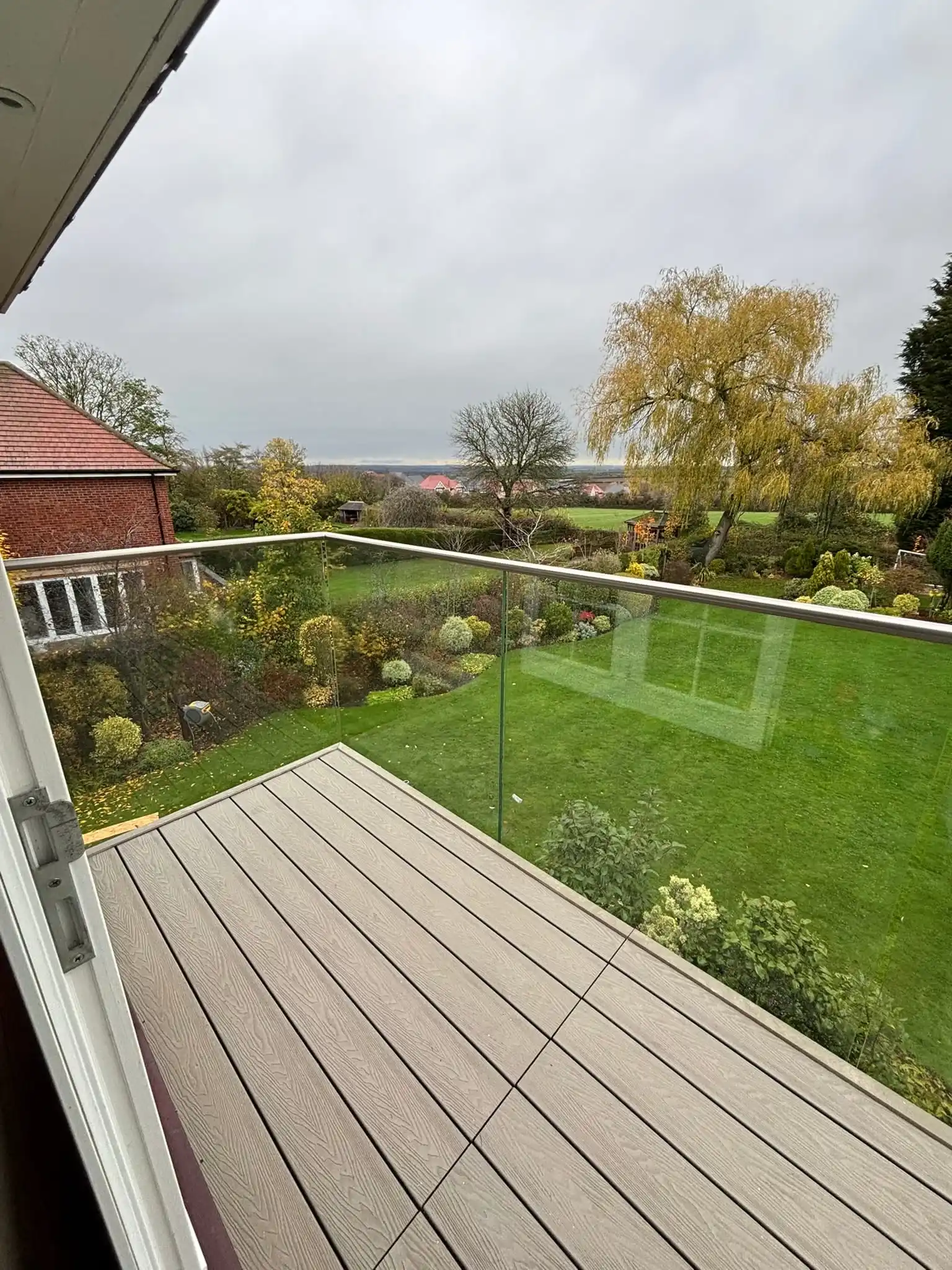
Full renovation of a first-floor balcony on a large detached property in Nottingham — frameless channel system, 17.5mm toughened laminated glass, stainless handrail, composite decking, and aluminium fascia.
View project →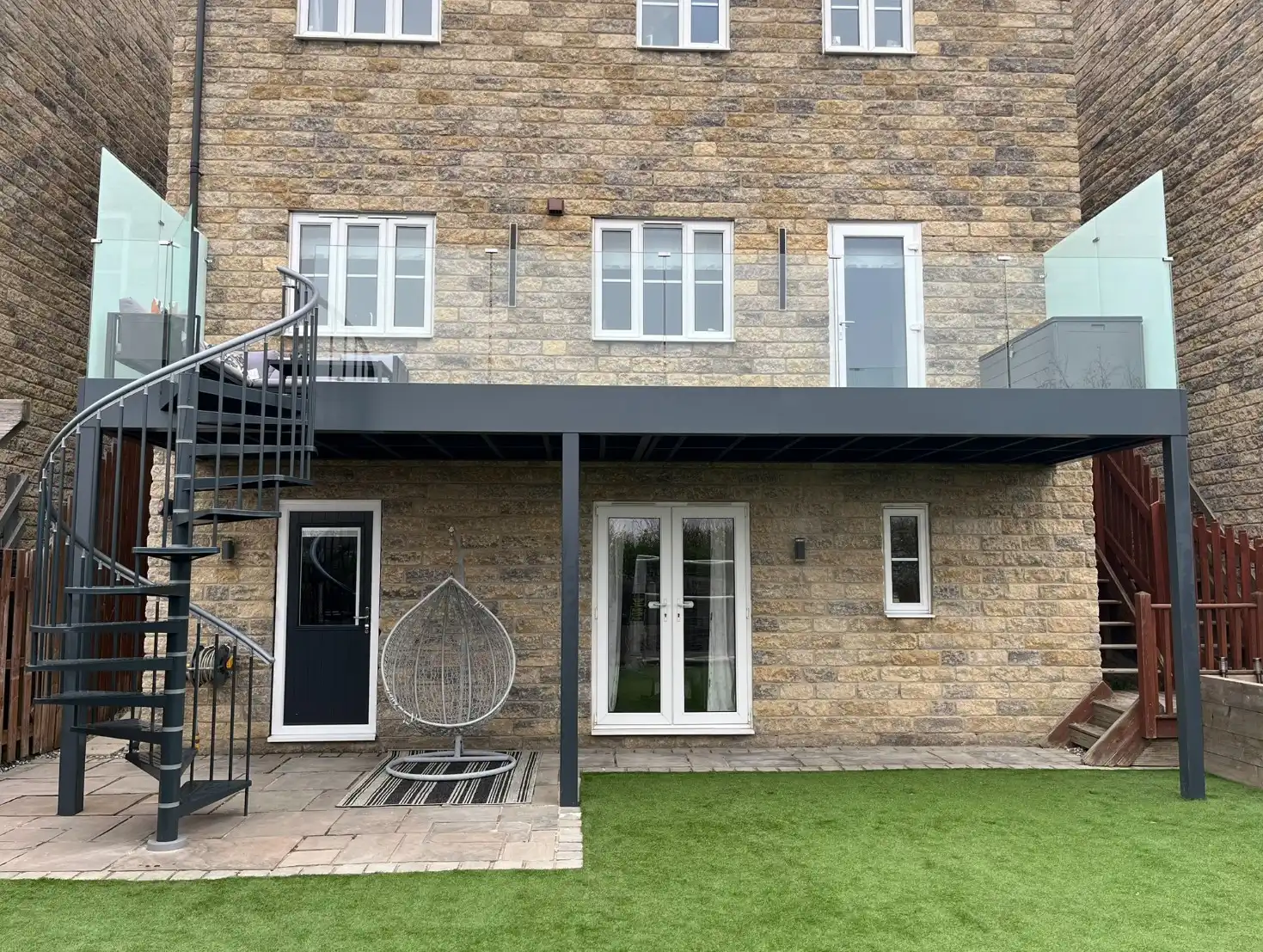
Full installation of a galvanised steel walk-on balcony, spiral staircase, frameless glass balustrades, and privacy screens at a residential property in Sheffield — all fitted by our own team.
View project →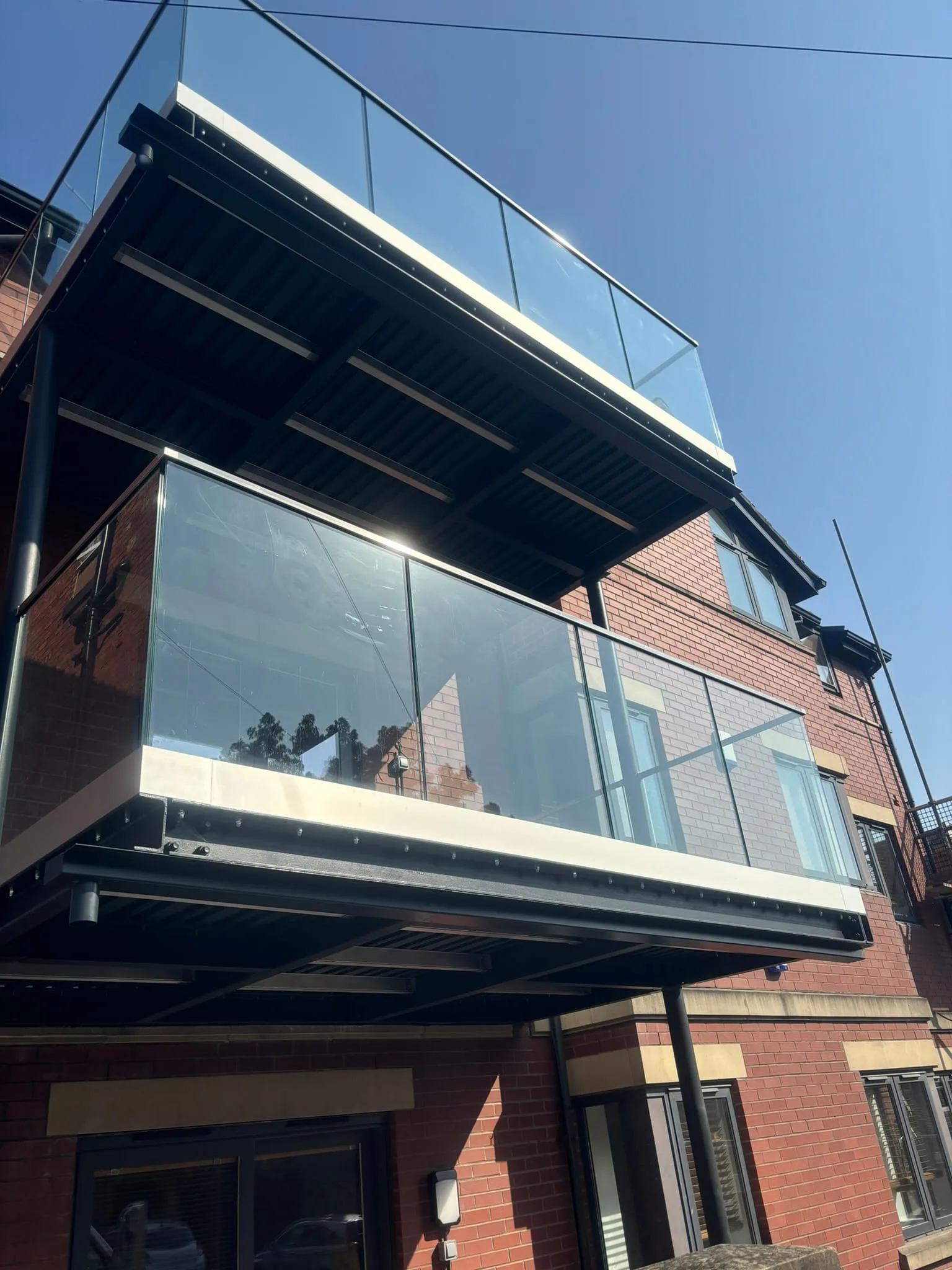
A first-floor frameless channel balcony in Sheffield replacing corroded iron railings — with a brushed stainless handrail added.
View project →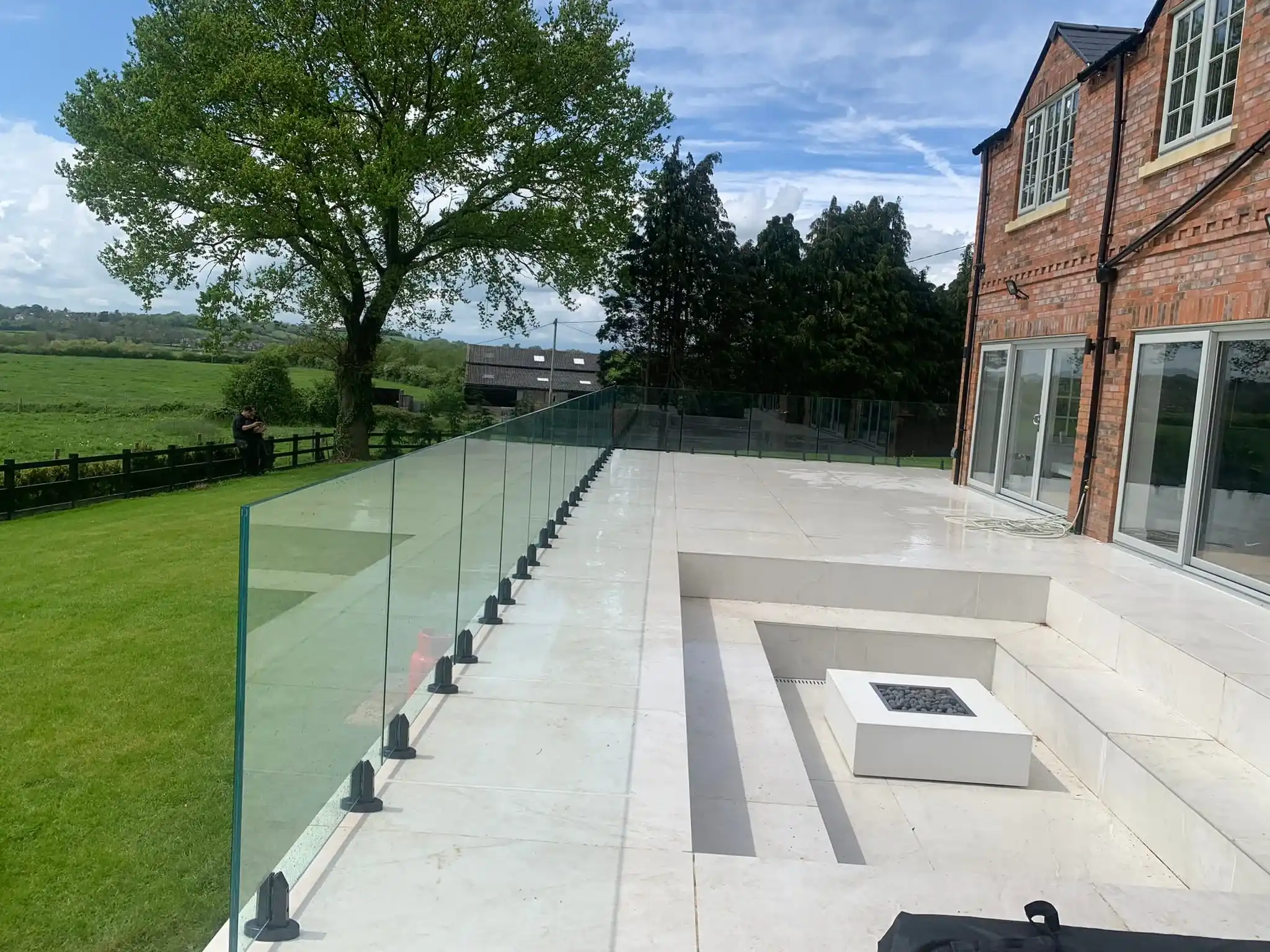
A frameless spigot glass balustrade installed over porcelain tiles in Worksop — diamond drilled through the tile, 21.5mm laminated glass, stainless steel spigots.
View project →Send us a photo and rough measurements. Channel or spigot, we'll recommend the right system and give you a clear price. No site visit needed to get started. No obligation at any stage.
Inspired by this project? We'd love to help with yours.