Powder Coated Glass Systems: Colours, Finishes & Options
Every aluminium frame, post, rail, and fixing on our glass systems can be powder coated to order: any RAL colour, in matt, satin, or gloss. Whether you're specifying a meeting room partition or an external balustrade, the finish is part of the design, not an afterthought.
What Is Powder Coating?
Powder coating is a dry finishing process. A fine pigmented powder (the same compound used in industrial and architectural applications) is electrostatically applied to the aluminium surface, then cured in an oven at around 180–200°C. The heat causes the powder to flow and harden into a continuous, uniform coat that bonds directly to the metal.
The result is a harder, more consistent finish than liquid paint. There's no risk of drip marks, brush lines, or uneven coverage. The thickness is controlled throughout the process, and the cured film is more resistant to chipping, scratching, and corrosion than a conventional painted surface.
It's also a cleaner process: no solvents, no volatile organic compounds. For architectural metalwork like window frames, partition systems, balustrade posts, and handrails, powder coating has been the industry standard for decades.
Why it outperforms paint
- ✓ Durability: The cured film is significantly harder than liquid paint and won't peel or flake under normal use
- ✓ Colour consistency: Every component in a batch comes out the same, critical when frames and doors need to match exactly
- ✓ Weather resistance: Suitable for external use: balustrade posts, handrails, and external partition frames hold their finish in exposed conditions
- ✓ Finish range: Matt, satin, gloss, and textured finishes all available from the same process
- ✓ Low maintenance: Clean with a damp cloth, no specialist treatments required
Where Powder Coating Is Used Across Our Systems
Every system we install that includes aluminium or steel components can be powder coated to order. The colour choice is made before manufacturing; the components are coated prior to glazing and installation, so the finish is consistent across every element of the system.
Glass Partitions
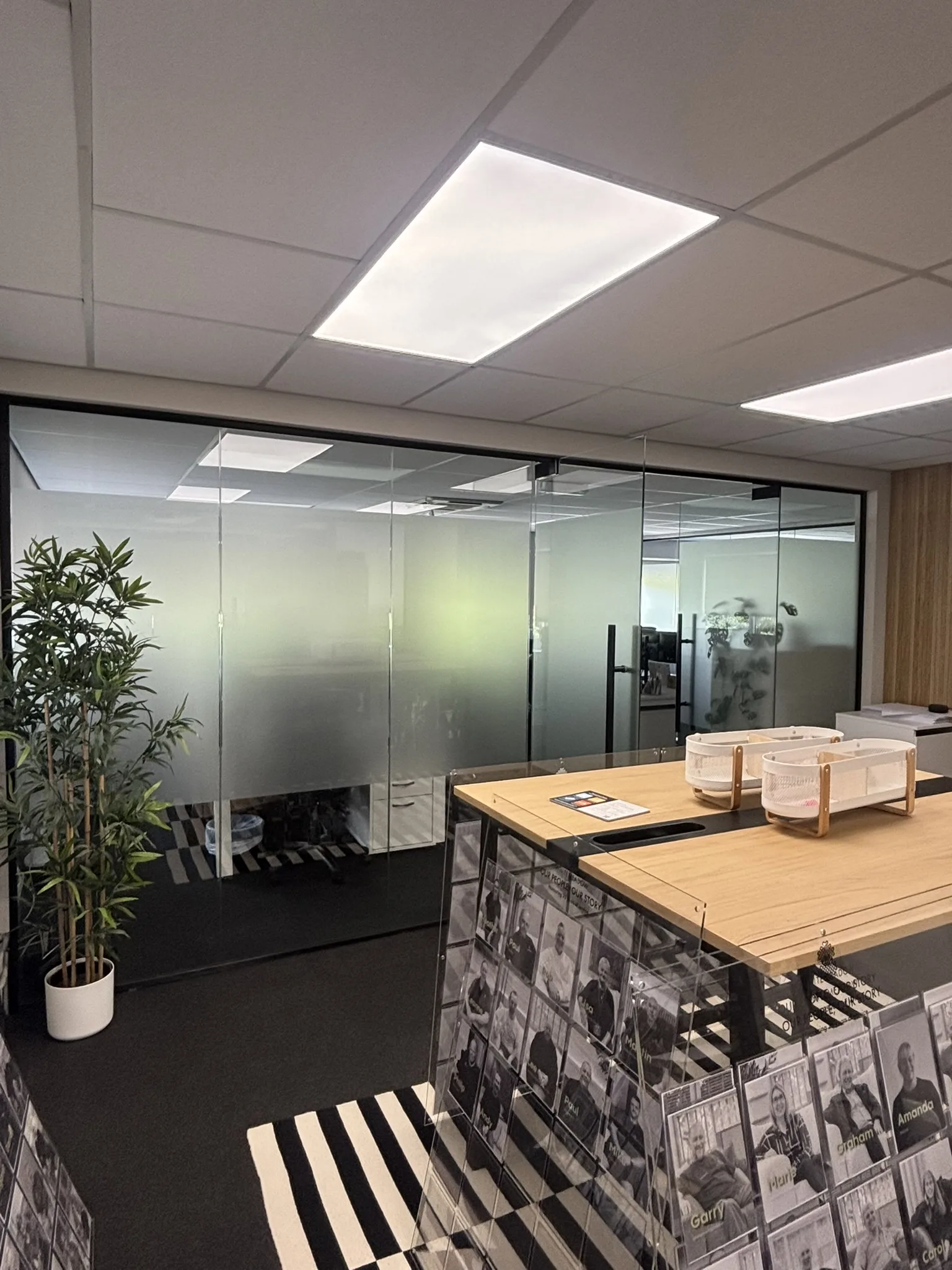
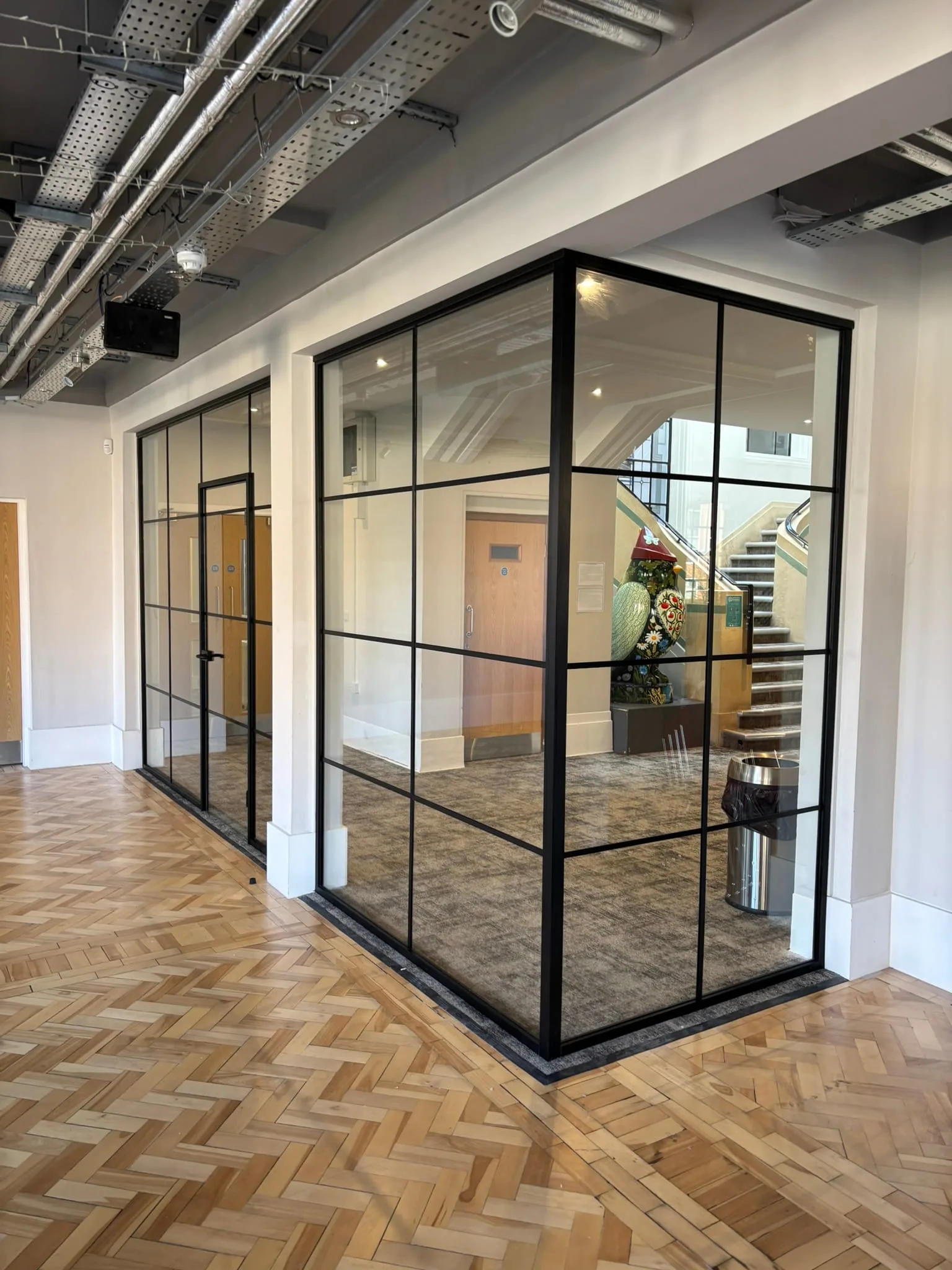
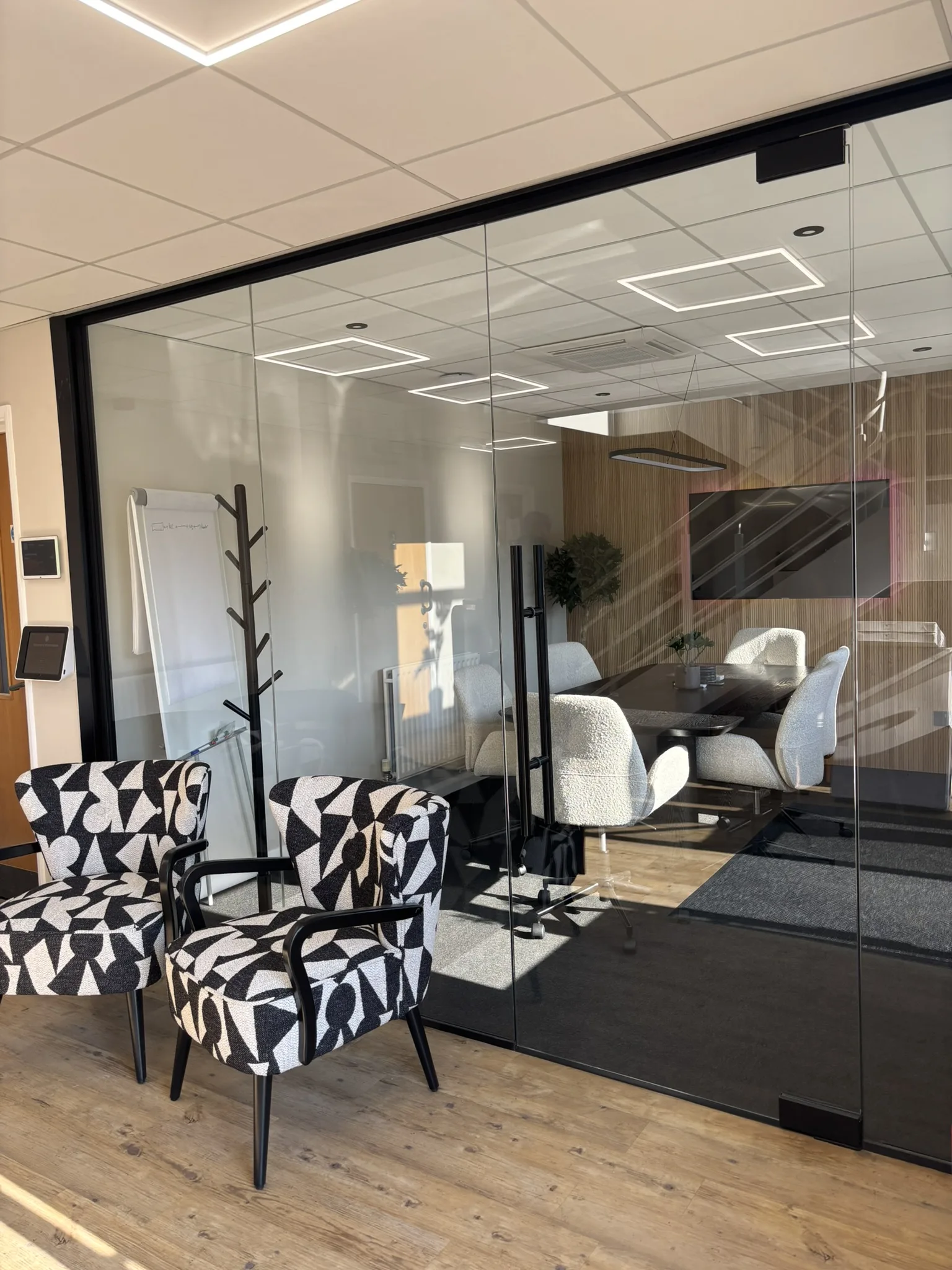
The aluminium frame sections (head, floor, and vertical posts) can be specified in any RAL colour. The door frame matches. For offices, matte black and anthracite grey are the most requested; white suits lighter schemes and healthcare environments.
View partition options →Glass Balustrades
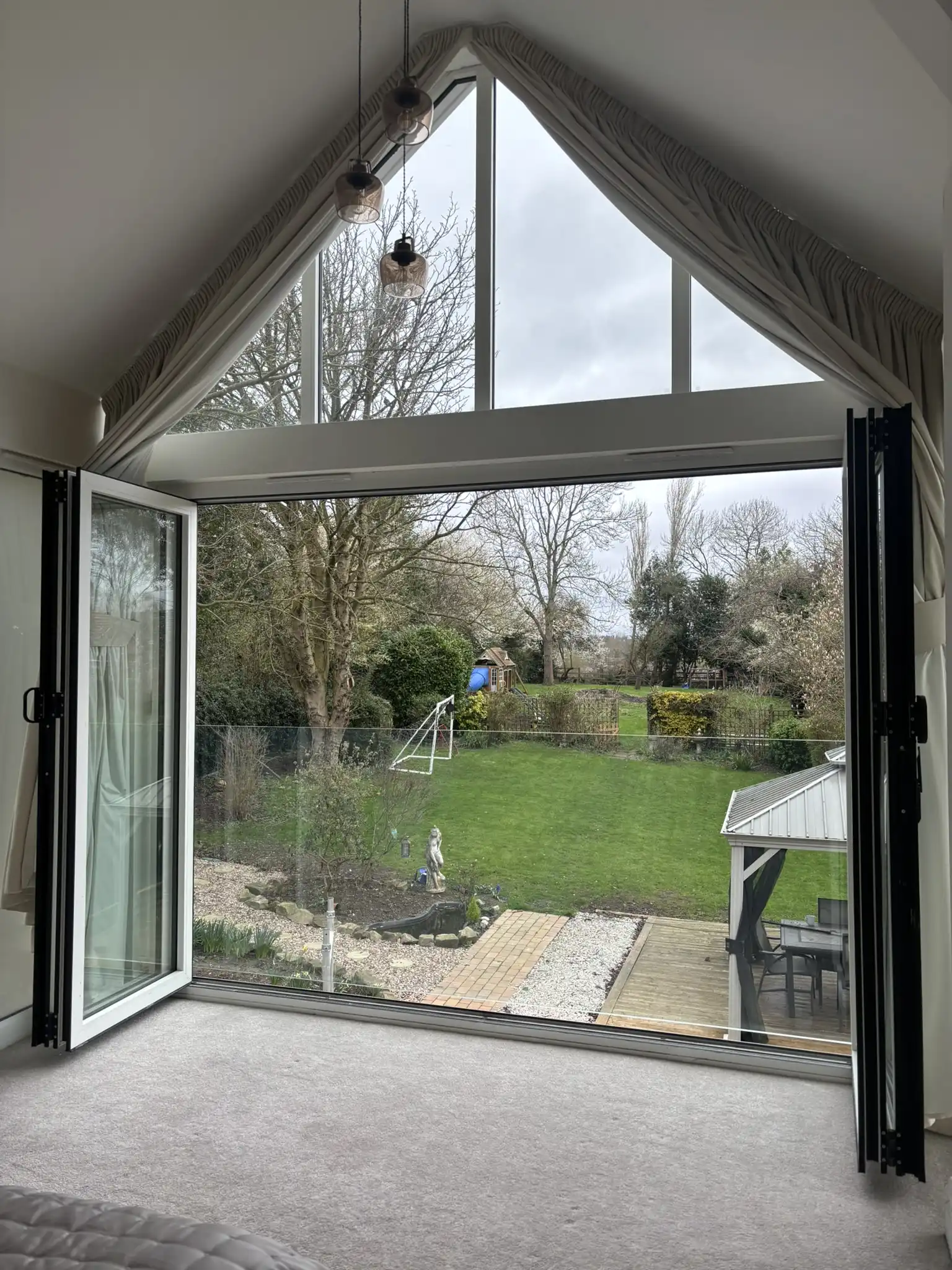
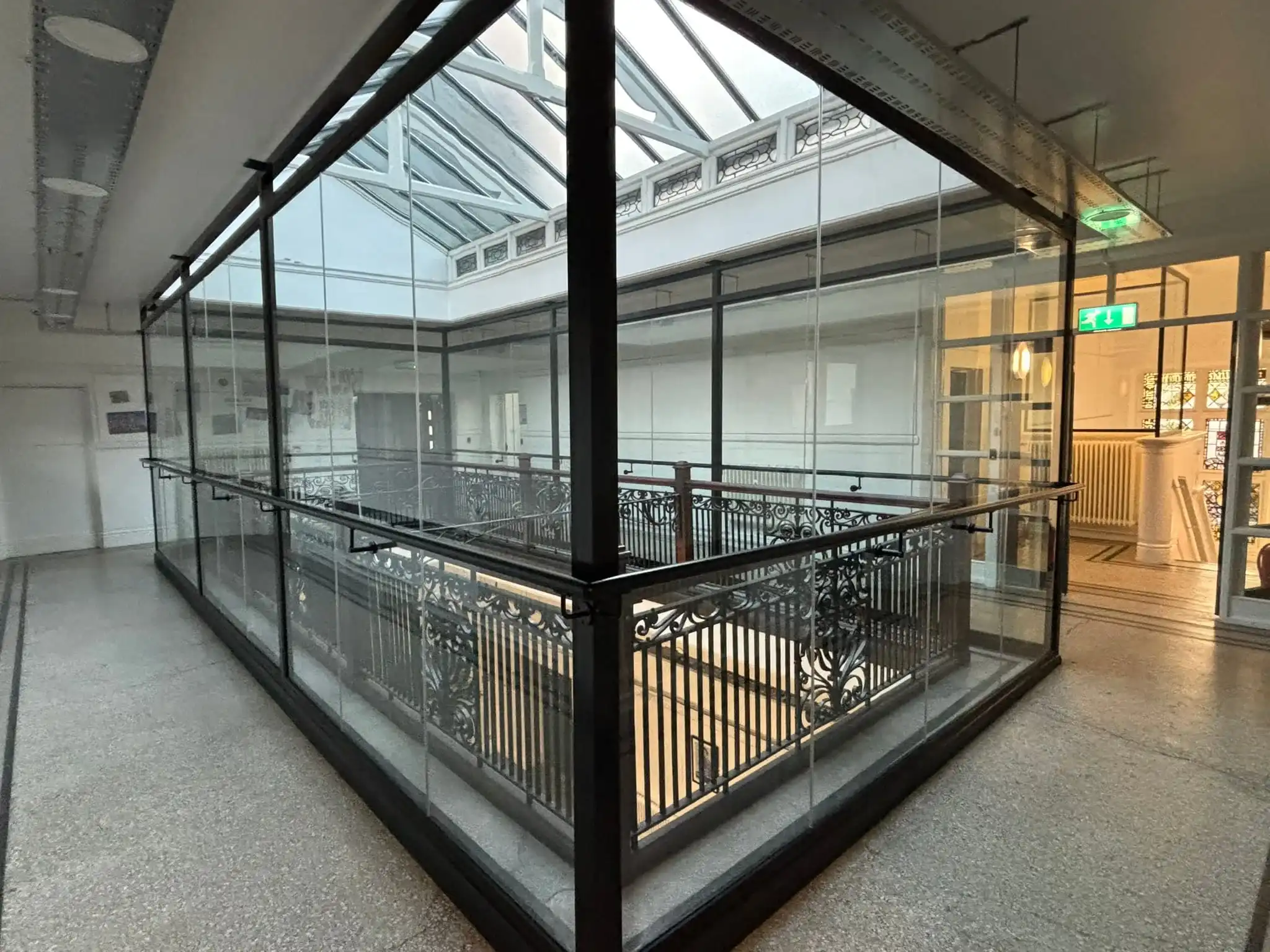
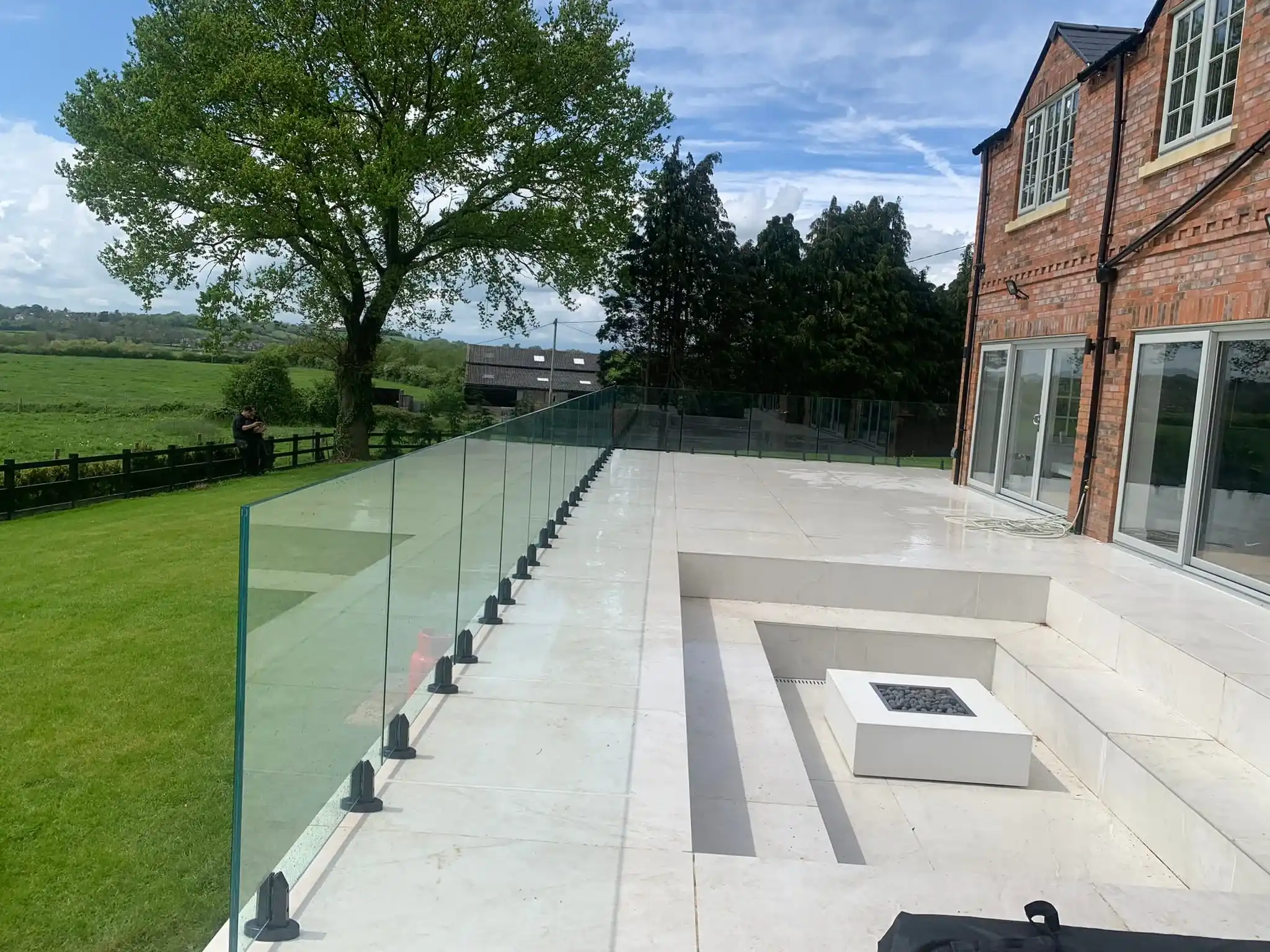
Posts, spigots, channel sections, and handrails: all powder coated. External balustrades are particularly suited to powder coating because the finish bonds directly to the metal rather than sitting on top of it, making it far more resilient in exposed conditions.
View balustrade options →Glass Staircases
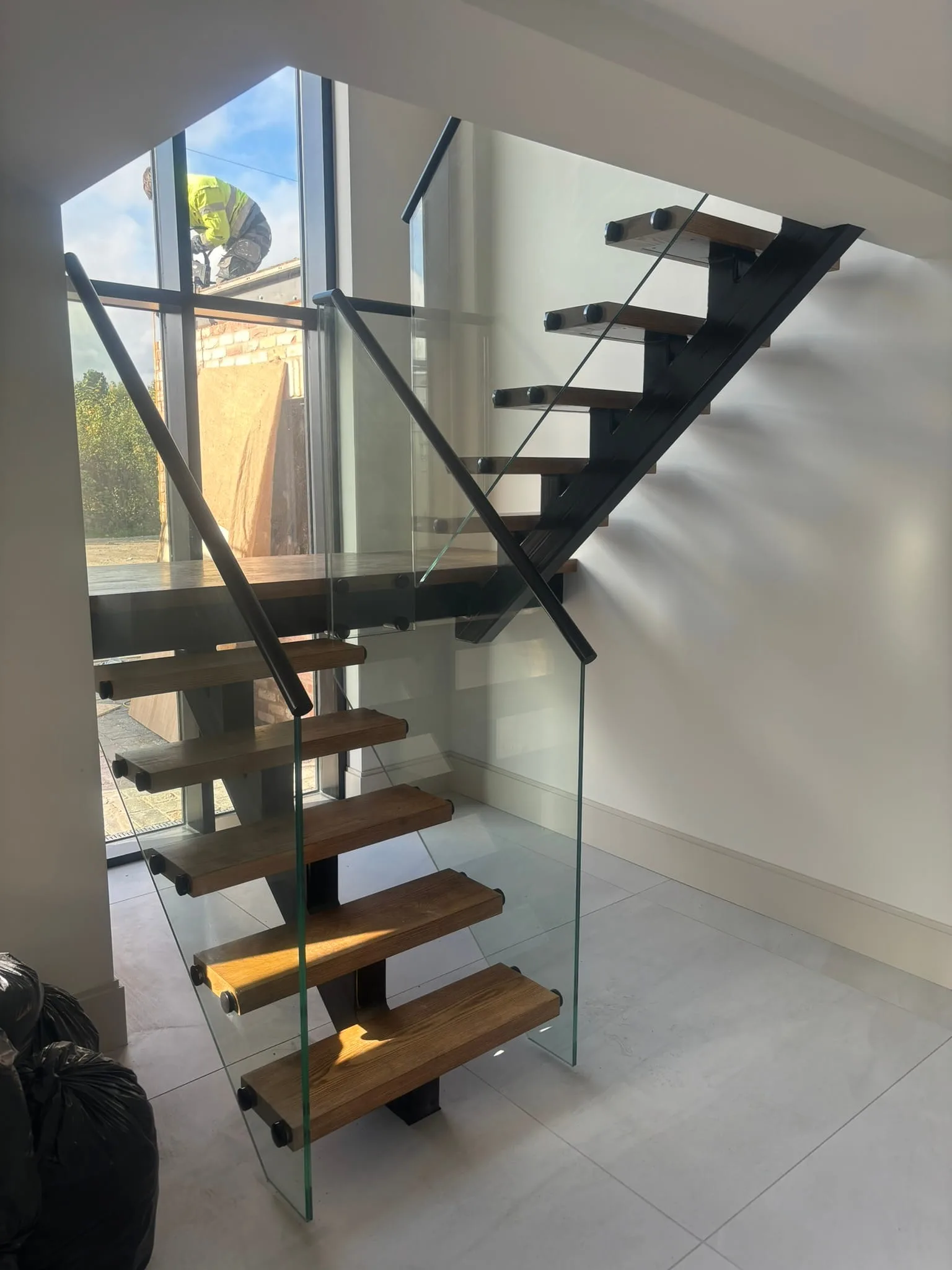
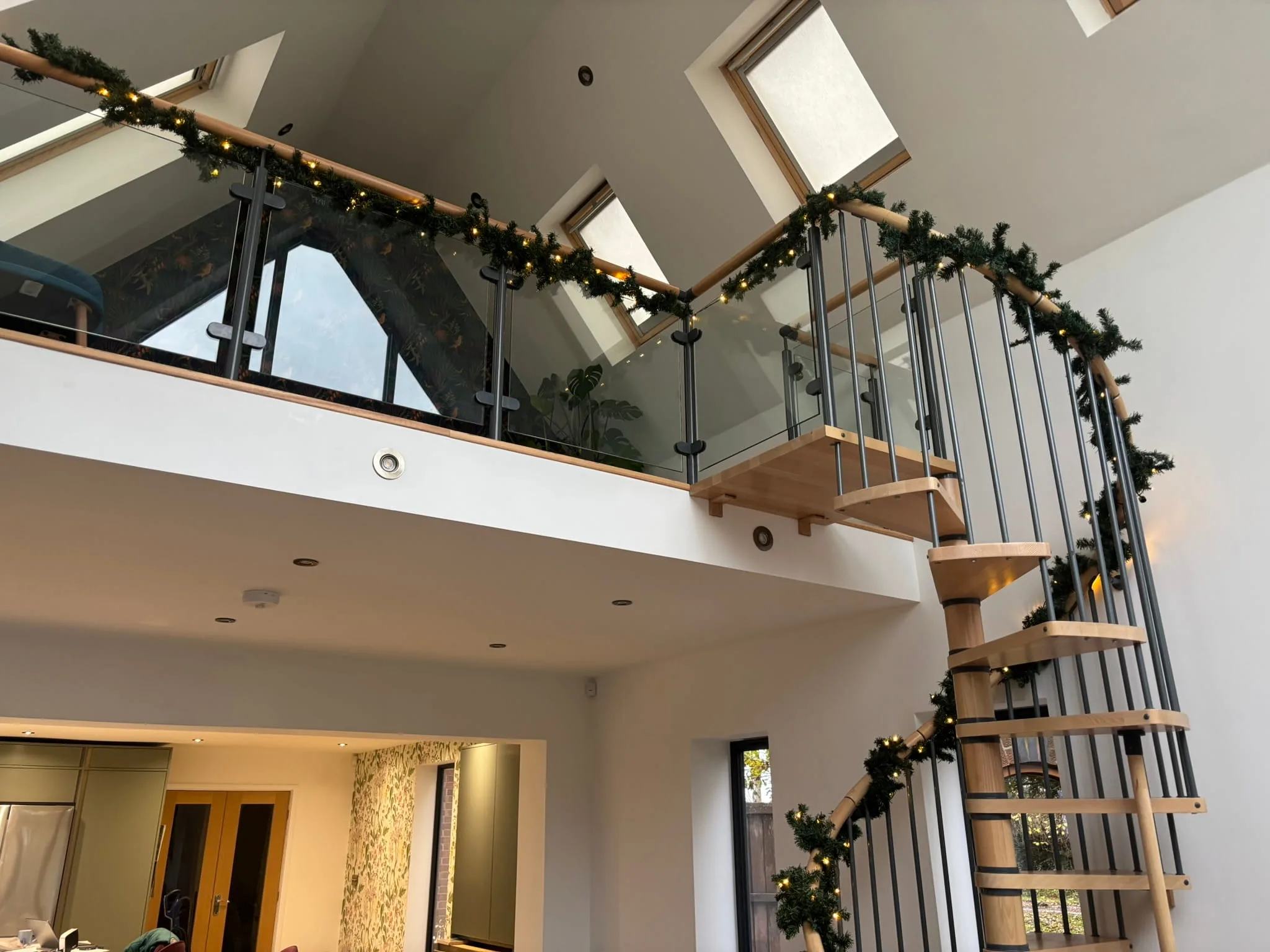
Stringer plates, newel posts, and handrail fittings can all be powder coated to coordinate with your interior. The metalwork is a visible part of a glass staircase design; getting the colour right matters as much as the glass specification itself.
View staircase options →The RAL Colour System Explained
RAL is the European standard colour reference system used across architecture, manufacturing, and industrial coating. Every colour has a four-digit code: RAL 9005 is jet black, RAL 9016 is traffic white, RAL 7016 is anthracite grey. The codes are consistent across suppliers, which means if you specify a RAL number, the colour you get will match that reference regardless of where the coating is applied.
The full RAL Classic range contains over 200 colours. For glass systems, the most commonly specified are neutrals and dark tones, but any colour in the range can be ordered. If you have a specific colour in mind that doesn't appear in the standard RAL range, bespoke colour matching is also possible.
RAL Colour Reference Chart
Colours shown are approximate RGB representations; actual powder coat finish may vary slightly depending on finish type (matt/satin/gloss) and lighting conditions.
This chart shows a selection from the RAL Classic range. Additional colours are available on request; if you have a specific RAL code or a colour to match, include it when you get in touch and we'll confirm availability.
Projects With Powder-Coated Finishes
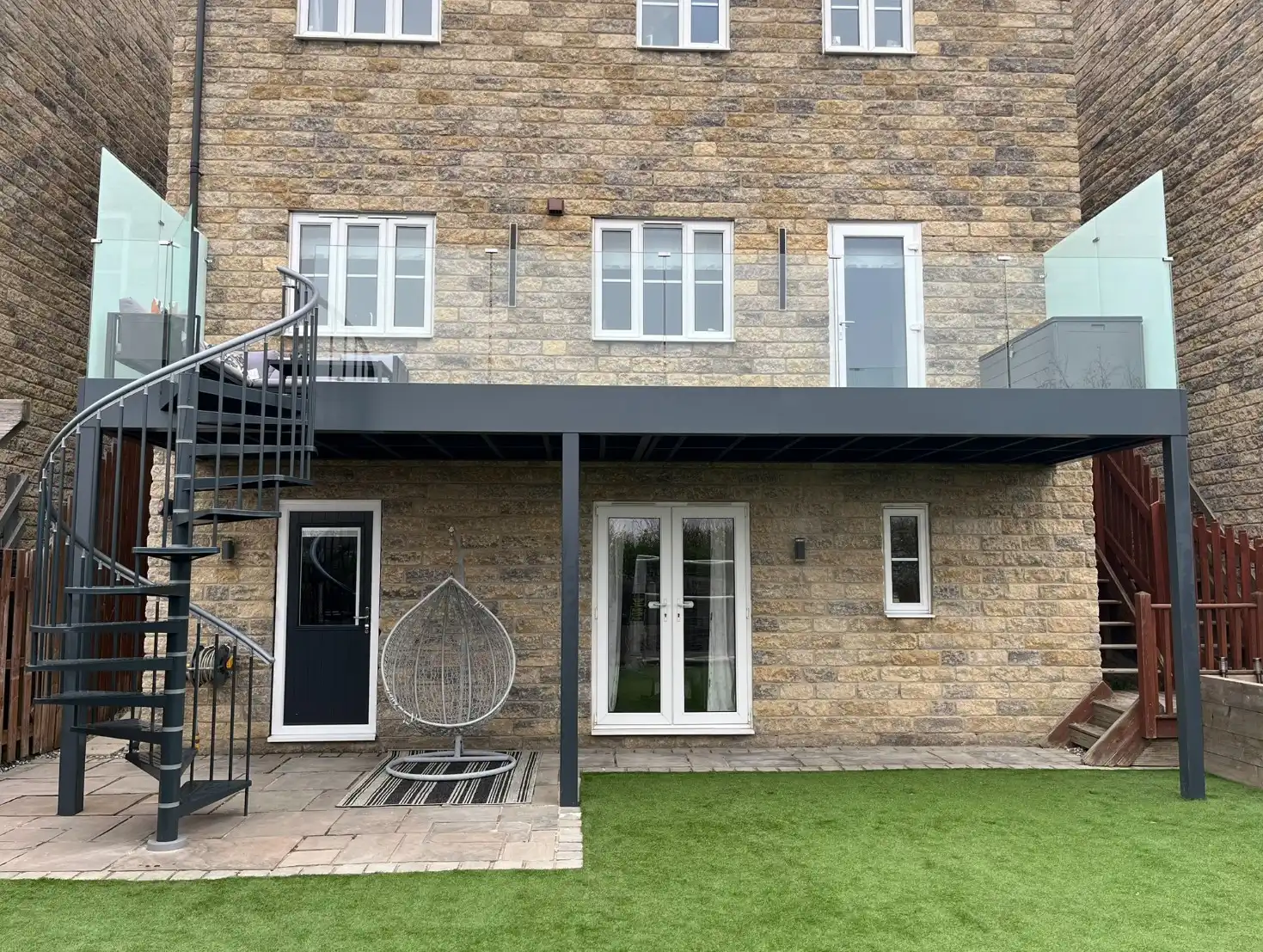
Recent installations where the aluminium components were powder coated to a specific RAL colour.
Matt, Satin & Gloss: Choosing the Right Finish
The same RAL colour looks noticeably different depending on the finish type. Gloss reflects light directly; matt absorbs it. The choice affects how the frame reads in a space, and in practice, the finish type often matters as much as the colour itself.
Matt
No surface sheen; light is absorbed rather than reflected. Fingerprints and minor surface marks are less visible. Popular for offices, meeting rooms, and contemporary residential interiors. RAL 9005 matt black is among the most commonly specified finishes we use.
Satin
A mid-point between matt and gloss, a slight lustre without full reflectivity. Works well where you want a quality finish without the high maintenance of gloss. Commonly used in commercial spaces where the metalwork needs to look considered but not conspicuous.
Gloss
High reflectivity; the full colour is visible and vivid. Gloss finishes show scratches and marks more readily than matt or satin, so they tend to be specified for lower-traffic areas or where a bold statement is intentional. White gloss reads very cleanly against glass.
Textured
A fine wrinkle or granular texture baked into the surface. Textured finishes are harder-wearing in high-contact situations and hide minor surface imperfections well. Common in industrial and commercial settings where durability is the priority.
Real-world guidance
- Contemporary offices: RAL 9005 or RAL 7016 in matt. Clean, architectural, low-maintenance.
- Modern homes: RAL 9016 satin white or RAL 7035 light grey satin. Softer and warmer than gloss.
- Industrial/commercial: RAL 7016 or RAL 9005 in textured. Hard-wearing, practical.
- Bold interiors: Any accent colour in gloss for statement metalwork on a staircase or partition.
Durability & Long-Term Performance
Powder coating applied to architectural aluminium is not a decorative finish in the conventional sense; it's a structural coat. The cured film thickness on a properly applied powder coat is typically 60–80 microns, compared to 20–30 microns for a liquid paint system. That difference is measurable in everyday use.
For internal glass partitions and balustrades, a powder-coated aluminium frame should last the life of the building without needing refinishing. The finish doesn't fade significantly under indoor lighting, and minor surface marks can usually be cleaned off rather than requiring touch-up.
External applications are more demanding. UV exposure, rain, and temperature cycling all put more stress on a coating. Powder coating handles outdoor conditions well (particularly on aluminium, which doesn't rust), but for coastal or highly exposed locations, we recommend discussing the specification in advance.
Performance summary
- ✓ Scratch resistance: Significantly harder than paint, resists everyday contact in office and domestic environments
- ✓ UV stability: Colour stable under indoor conditions; external grades available for prolonged sun exposure
- ✓ Corrosion resistance: Aluminium doesn't rust; the powder coat seals the surface against moisture ingress
- ✓ Maintenance: Wipe clean with a damp cloth, no specialist products needed
- ✓ Lifespan: 20+ years in normal conditions without refinishing
Popular Powder Coat Colours for Glass Systems
A few colours account for the majority of orders, not because the range is limited, but because certain shades work particularly well with glass in architectural applications. These are the ones we specify most often.
Not Sure Which Colour or Finish to Choose?
Browse recent projects to see how different colours and finishes look in real installations; then use the budget guide to understand what's achievable at your price point.
Choosing the Right Colour & Finish for Your Project
The practical starting point is whether the installation is internal or external, and how much the frame will be seen. A partition frame in a boardroom is a design feature; a channel system along the edge of a deck terrace is mostly functional. Those contexts call for different thinking.
Dark frames (anthracite and black) tend to recede visually. When paired with clear glass and pale walls, the glass reads as the dominant element and the frame becomes a line rather than a feature. That's often exactly the effect people want.
Light frames do the opposite: they stand out against darker surfaces and can make a space feel lighter. White partition frames in a room with lots of natural light create a very clean result. In a north-facing room with limited daylight, the same white can read as slightly flat.
Quick reference guide
Specify Your Colour & Get a Quote
Tell us your RAL colour, finish type, and system, or send a photo of the space and we'll advise on what works. We'll come back with a clear price based on your actual requirements.