Glass Balustrade Maintenance & Cleaning
How to keep your glass balustrades, Juliet balconies, and glass staircase panels looking their best — with minimal effort.
Glass Balustrades — One of the Lowest-Maintenance Systems Available
Glass balustrades are one of the lowest-maintenance barrier systems on the market. Unlike timber, which rots and needs periodic painting, or wrought iron, which corrodes and requires treatment, a well-installed glass balustrade with stainless steel fittings will stay structurally sound and visually attractive for decades with only routine cleaning.
The information on this page covers routine cleaning, dealing with hard water deposits, maintaining stainless steel fittings, and the simple annual inspection you should carry out to ensure everything remains secure and compliant.
Regular Cleaning
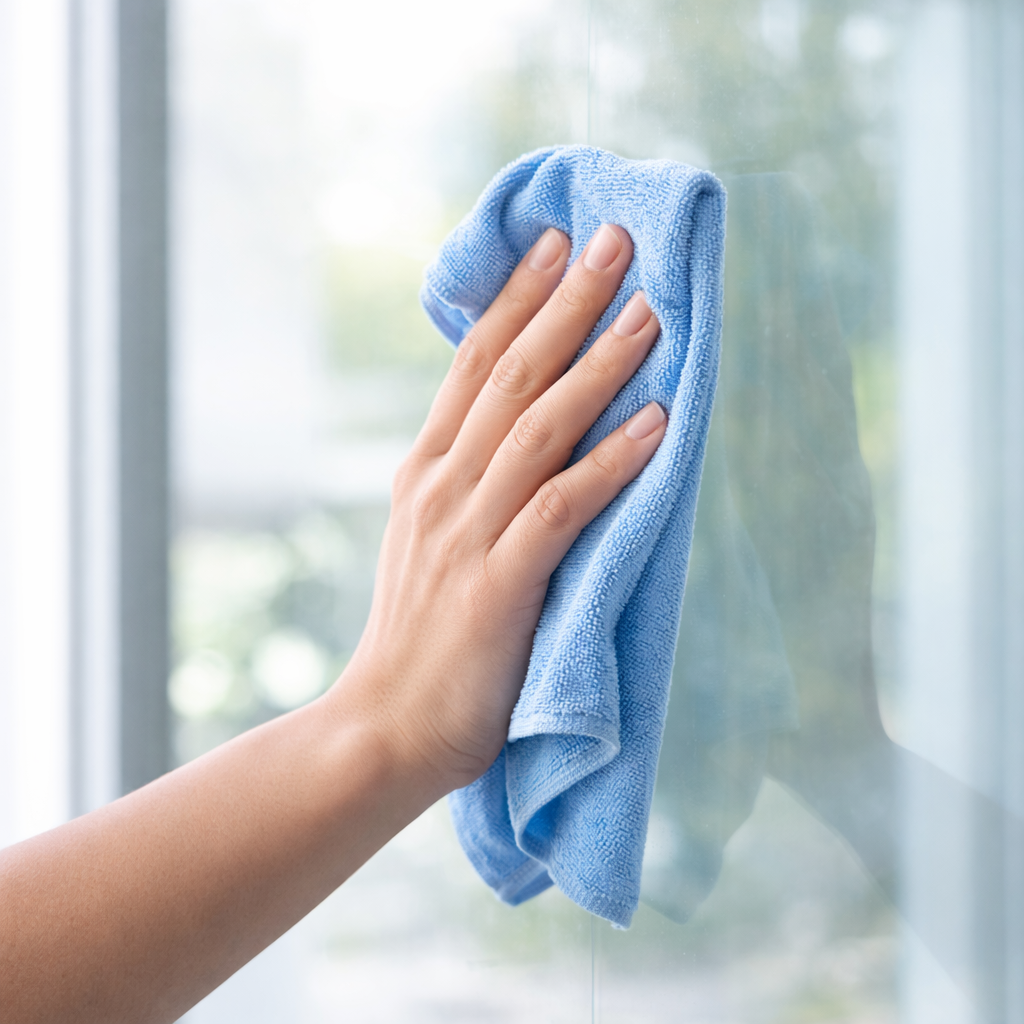
For routine cleaning, warm soapy water and a soft cloth or a rubber squeegee is all you need. This approach removes dust, fingerprints, bird droppings, and general atmospheric soiling without risking any damage to the glass surface or the fittings.
Step-by-step routine:
- Mix a small amount of washing-up liquid into a bucket of warm water.
- Apply with a soft microfibre cloth or a window cleaning tool with a soft pad.
- Work from the top of the panel downward to avoid dirty water running over clean areas.
- Rinse with clean water — a garden hose on a gentle setting is ideal for external panels.
- Finish with a squeegee or a clean dry cloth to avoid water spotting.
Avoid abrasive cleaners, scouring pads, or cream cleansers — these will scratch the glass surface, creating micro-abrasions that accumulate dirt over time and reduce clarity.
Dealing with Hard Water Marks
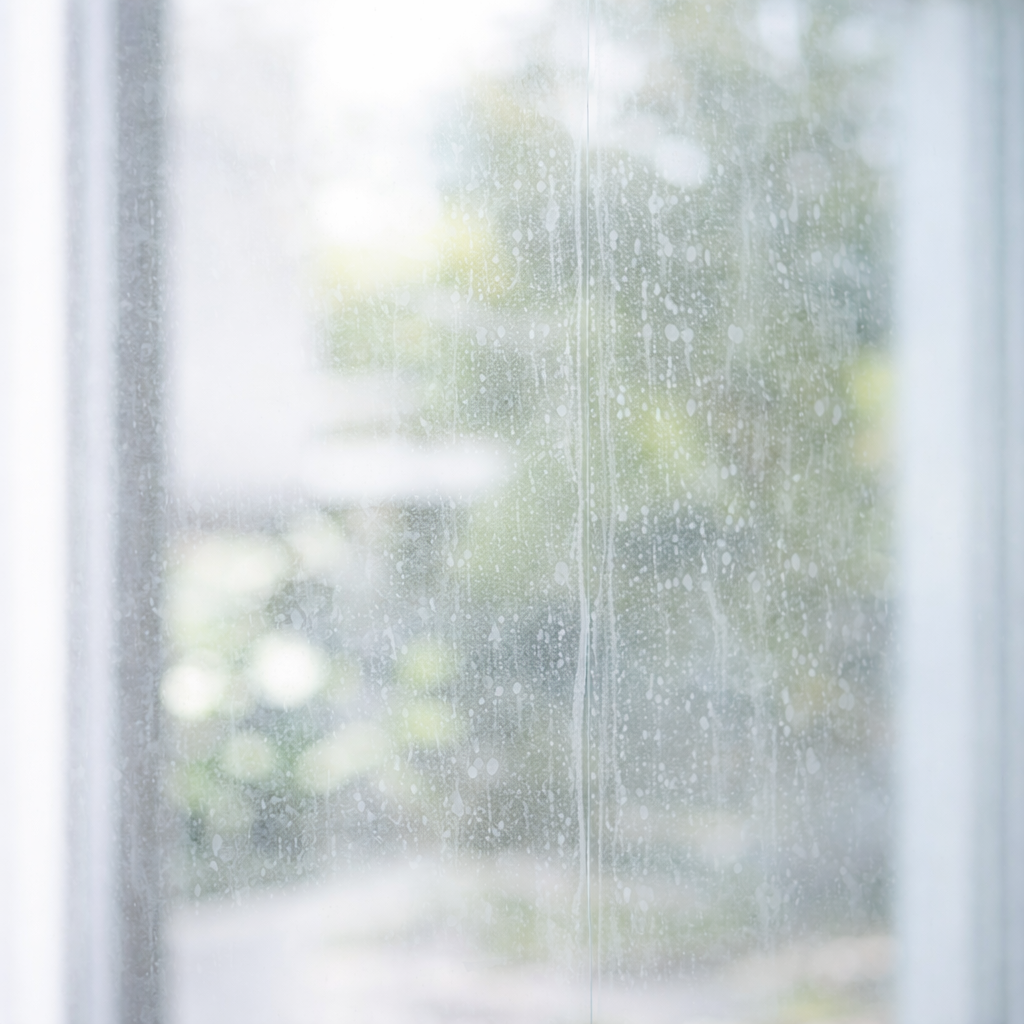
Hard water deposits — also known as limescale or calcium staining — are a common issue across the East Midlands. Water evaporates from the glass surface and leaves behind mineral deposits that appear as white or grey cloudy patches. These are particularly visible on external balustrades that receive rain splashback from hard ground surfaces.
For light to moderate hard water marks:
- Mix equal parts white wine vinegar and water in a spray bottle.
- Apply to the affected area and leave for 2–3 minutes.
- Wipe away with a soft cloth and rinse with clean water.
For stubborn deposits, a proprietary glass cleaner or limescale remover formulated for glass surfaces (such as Gtechniq G5 or Bar Keepers Friend on glass) will work well. Always test on a small area first.
Maintaining Stainless Steel Fittings
The vast majority of glass balustrade fittings — spigots, channels, post shoes, handrail brackets, and standoffs — are manufactured from grade 316 stainless steel, which offers excellent corrosion resistance for both inland and coastal environments.
Maintenance requirements differ slightly between brushed and polished finishes:
Brushed (Satin) Stainless Steel
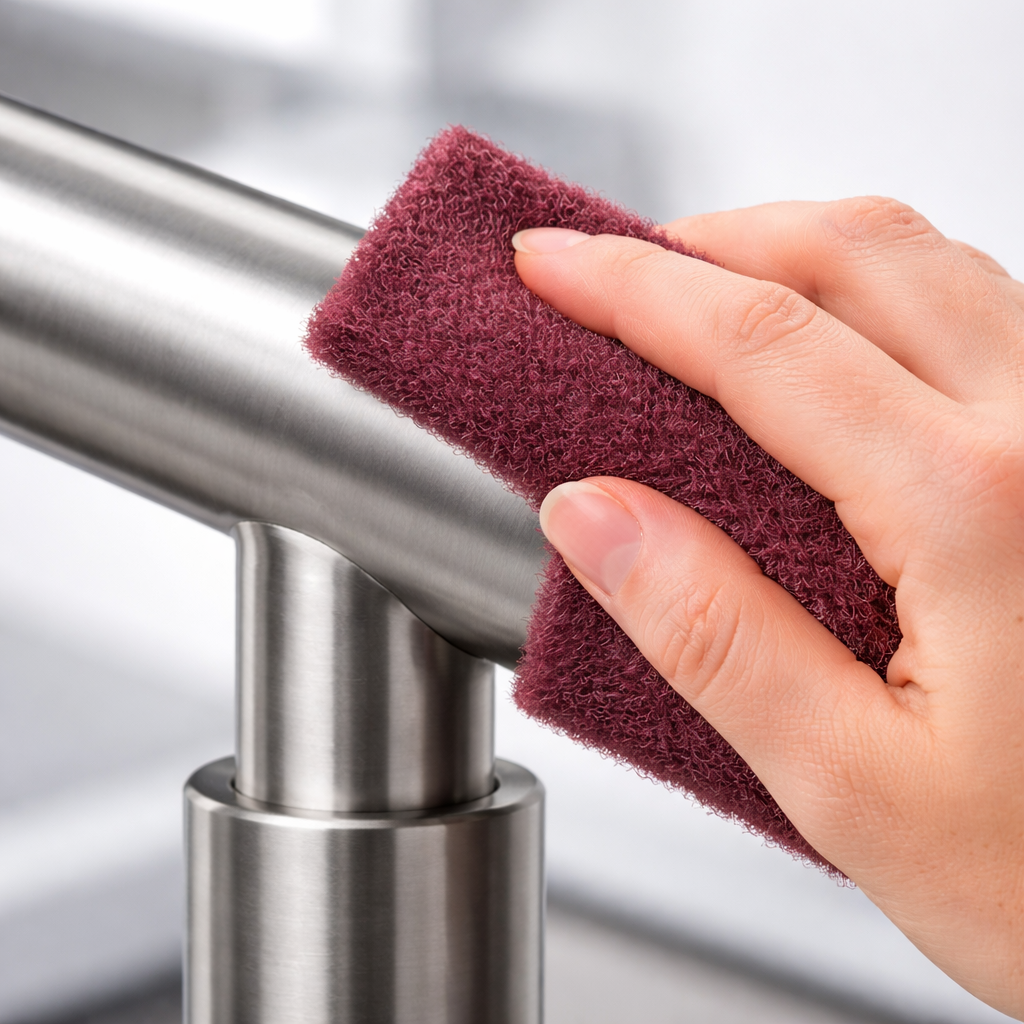
Wipe with a damp cloth in the direction of the grain (the fine linear texture). Wiping across the grain can highlight marks. A small amount of washing-up liquid is sufficient. Dry with a clean cloth to prevent water spotting.
Polished (Mirror) Stainless Steel
Use a proprietary stainless steel cleaner and a clean microfibre cloth. These products clean, protect, and leave a light residue that repels fingerprints. Windex or a glass cleaner also works well for fingerprint removal on polished surfaces.
Annual Inspection Checklist
We recommend a simple annual visual inspection of all glass balustrade installations. This takes only a few minutes and gives you confidence that the system remains safe, secure, and structurally sound. Check the following:
-
1
All fixings are tight and secure Apply gentle lateral pressure to the glass panel and handrail. There should be no movement. Check visible bolt heads and screws for any signs of loosening.
-
2
Glass panels for chips or cracks at edges Edge damage is the most likely location for damage to begin. Run your finger carefully around the perimeter. Any chip, crack, or star fracture should be reported to us promptly.
-
3
Channel or spigot rubber seals for UV degradation The rubber gaskets or neoprene pads that cushion the glass in channels and spigots can degrade over many years of UV exposure. Look for cracking, shrinking, or hardening.
-
4
Powder coating for chips If any powder-coated components (posts, channels, clamps) have chipped, touch up with a matching RAL spray or brush-on touch-up paint to prevent corrosion at the bare metal.
-
5
Handrail brackets are secure Handrail bracket fixings can work slightly loose over time due to thermal expansion and vibration. Check each bracket for movement and re-tighten as needed.
If you find anything that concerns you, contact us. We can visit to inspect and advise, and carry out any repairs or re-tightening that may be needed.
What to Avoid
The following cleaning methods and products can damage glass panels or stainless steel fittings. Please avoid them.
Abrasive cleaners
Cream cleansers, scouring powders, and abrasive pads scratch the glass surface, dulling clarity permanently.
Steel wool or wire brushes
Leave fine metal deposits on the glass surface that rust and cause staining, and scratch both glass and stainless steel.
Bleach on stainless steel
Chlorine-based bleaches attack the passive oxide layer that gives stainless steel its corrosion resistance. Use only on glass, never directly on fittings.
Pressure washing channel seals
High-pressure water directed at the rubber seals in channels can displace or damage the seal, allowing water ingress and potential glass movement.
Noticed Damage or Loose Fixings?
If you notice any damage or loose fixings during your annual inspection, contact us for a check-up. We can visit to assess, advise, and repair — keeping your balustrade safe and compliant.